Table of Contents
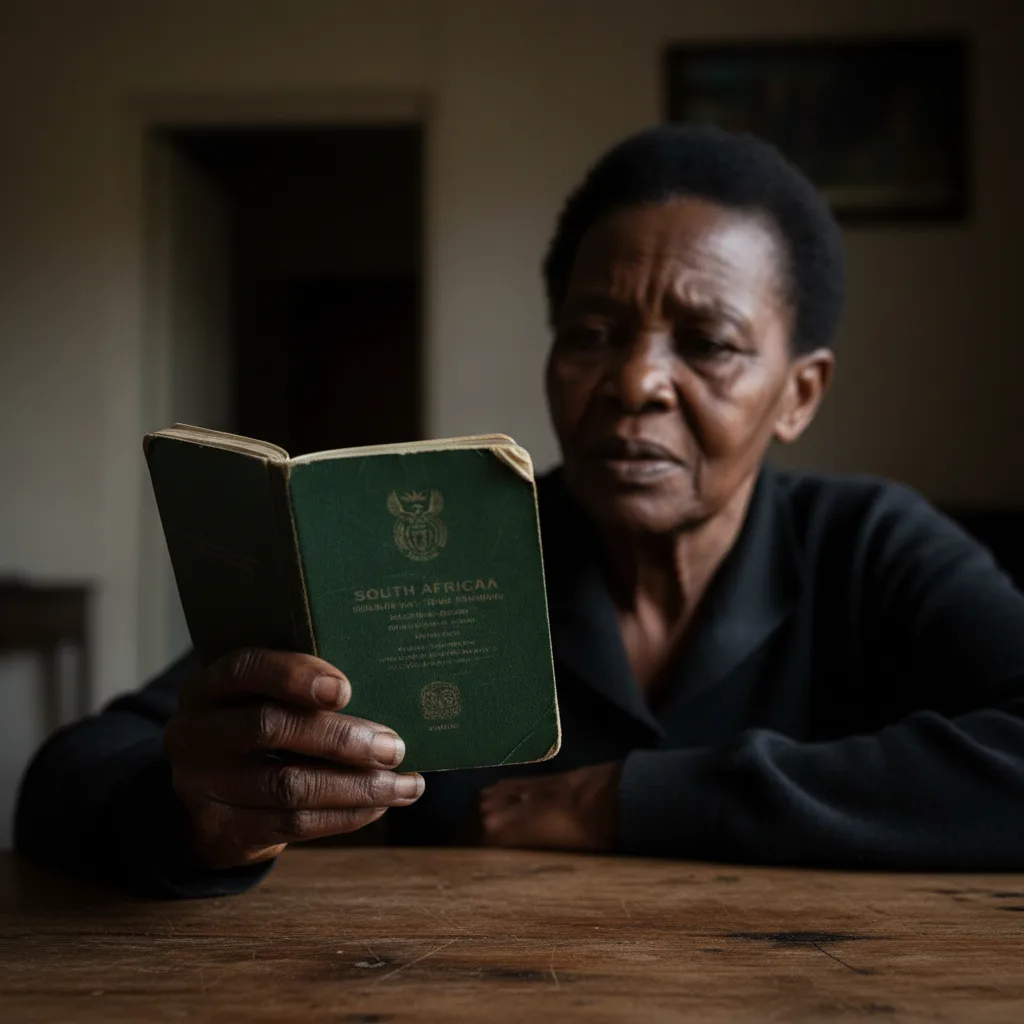
If you are still holding onto that old green barcoded ID book, time is officially running out. By April 2026, the South African government is making a massive shift that forces everyone to switch to the Smart ID Card. For millions of people relying on the R390 SASSA grant, this isn’t just a minor update—it’s a change that could literally stop your money from reaching your pocket. I’ve put together this guide to help you navigate the new rules, the costs, and the steps you need to take to keep your social grant safe during this transition.
The End of an Era: Green ID Books Declared Obsolete in 2026
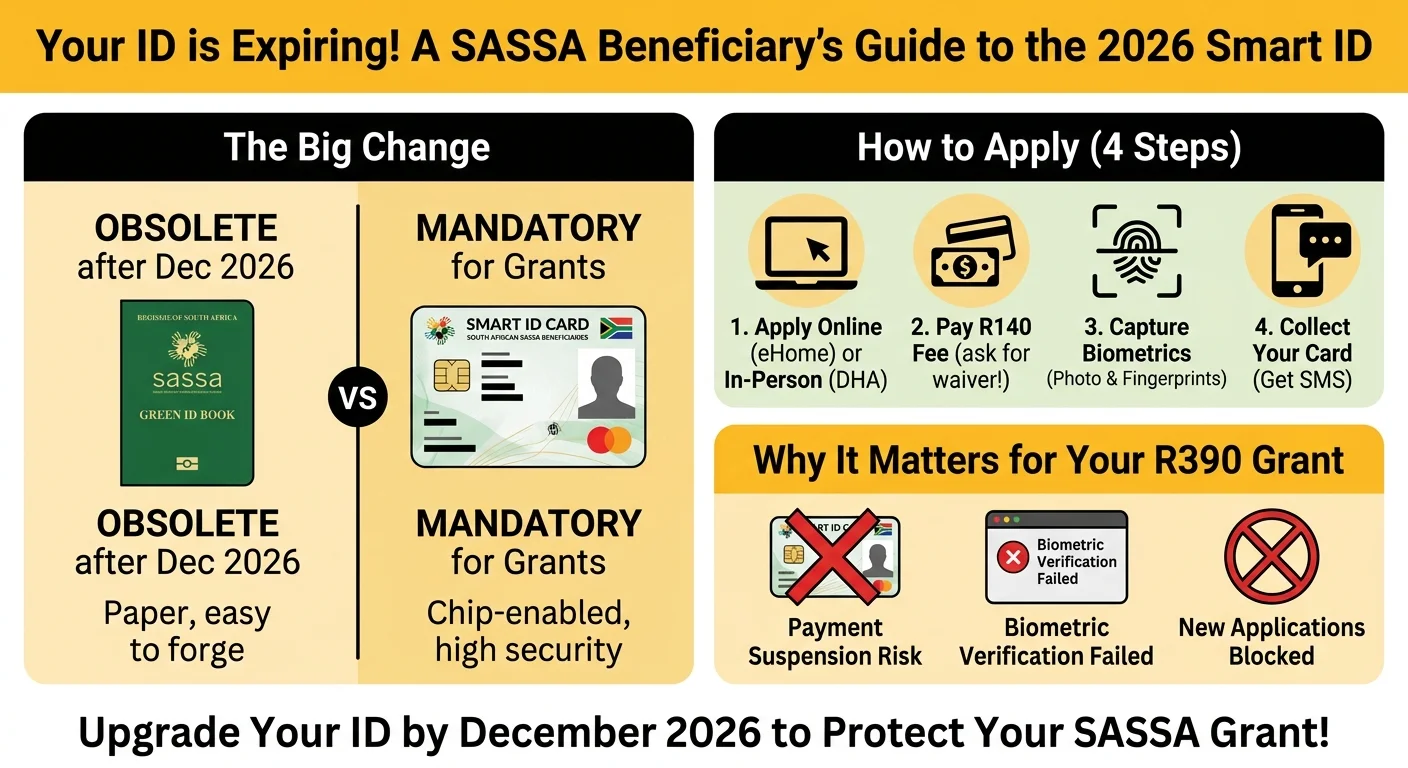
The Department of Home Affairs has made it clear: the iconic green barcoded ID book will be dead by 31 December 2026. In a statement from April 2026, officials confirmed they are pushing everyone toward a digital identity system they claim is more secure. While the Smart ID Card has been around for a long time, it’s no longer optional.
I keep thinking about the 8.5 million people who get the R390 SRD grant. For them, this is more than just a headline; it’s an urgent problem. By 2026, SASSA’s systems will rely almost entirely on digital and biometric data. The old green books simply can’t keep up with that technology. If you haven’t upgraded yet, you are looking at a potential payment crisis if you don’t get this sorted before the deadline.
Will SASSA Block Your R390 Grant Without a Smart ID? The Official Risk
The big question everyone is asking is whether SASSA will stop payments for those who still use the green book. While we haven’t seen a hard “cut-off date” from SASSA itself, the signs are worrying. My look at the current situation suggests that from mid-2026, any new grant applications will probably require a Smart ID Card number. You can see how things are currently handled in our complete SRD grant application guide.
And if you are already getting a grant, you aren’t necessarily safe. If you get flagged for a fraud check or re-verification, using an old ID could cause your application to fail. The Department of Social Development says they want to align with Home Affairs to “combat fraud,” which is government-speak for “you need a digital ID or you’re out.” It’s a scary thought, especially since a 2025 Stats SA report showed that about 30% of people in rural areas still use the green book. That’s 2.5 million people at risk of losing their lifeline.
The R140 Hurdle: Can SASSA Beneficiaries Afford the New Smart ID?
Here is what really bothers me: the R140 fee. For someone living on an R390 SRD grant, R140 is more than 35% of their monthly income. It’s a choice between buying food and buying a mandatory ID card.
While 16-year-olds get their first card for free, everyone else has to pay up. Home Affairs Minister Dr. Aaron Motsoaledi has mentioned that they are looking at “indigent citizens” and grant recipients for fee waivers, but as of April 2026, the process is still a mess. If you are struggling, I suggest taking your SASSA card or proof of your grant to Home Affairs and asking for an exemption directly. Without a clear waiver system, this fee is going to be the biggest wall standing between vulnerable people and their money.
Your Step-by-Step Guide to Getting the Smart ID Card in 2026
You need to get this card. There’s no way around it anymore. Here is how you do it in 2026:
- Try the Online Route: This is the fastest way. Go to the Home Affairs eHome portal, create an account, and fill in your details. You can upload your documents and pay the R140 fee online. Then, you just book a time at a bank or Home Affairs office to get your fingerprints and photo taken.
- The Walk-in Method: You can go straight to a Home Affairs office, but be ready to wait. Take your green ID book and proof of address. People are reporting wait times of over four hours, so get there early.
- Biometrics: This is the part you can’t skip. They will take a high-quality photo and scan your fingerprints. This data is what SASSA uses to make sure you are who you say you are.
- Collection: You’ll get an SMS when the card is ready, usually in 2 to 4 weeks. You have to bring your old ID book and your receipt to pick up the new card.
Biometrics: The Hidden Link Between Your New ID and SASSA’s ‘Selfie’ Tests
The Smart ID Card isn’t just a piece of plastic; it’s a data hub. It has a chip that stores your biometric info. This is why it matters for your grant: SASSA is using facial recognition and “selfie” tests now. When you do those checks, the system compares your face to the photo Home Affairs has on file.
A photo from a Smart ID application has a 99% success rate. But if the system is trying to compare your face to a blurry, faded photo in a 20-year-old green book, you’re going to get that “Biometric Verification Failed” error. Upgrading is the best way to make sure you can always do a successful SRD R350 Status Check.
Action Plan: What To Do if You Can’t Get the ID Before the Deadline
If you’re feeling stressed about the December 2026 deadline, especially if you live far from a city, here is what I recommend:
- Start now: Don’t wait. The queues are only going to get longer as the deadline gets closer.
- Get help: Groups like the Black Sash are great at helping people deal with Home Affairs. Reach out to them if you’re stuck.
- Watch for mobile units: Sometimes Home Affairs sends vans to smaller towns. Keep an ear out for when they might be in your area so you don’t have to travel far.
- Keep your papers: If you apply, do not lose that receipt. It’s your proof that you’re trying to comply. If SASSA suspends your grant, that receipt is your best weapon for an appeal. You can read more about that in our SASSA Appeals Guide.
Frequently Asked Questions
Will my SASSA payments stop if I only have a green ID book?
How much does the new Smart ID Card cost in 2026?
What happens if I lose my application receipt before my card is ready?
Can I apply for the Smart ID Card at a bank?
How long does it take to get the new Smart ID Card?
Will my children need a Smart ID Card for their Child Support Grant?
Read Next
SASSA May 2026 Payments Come EARLY: Get Your R390 Grant Plus New R100 'Freedom Vouchers' at Shoprite & Pick n Pay
BREAKING for April 2026: SASSA has confirmed that May 2026 grant payments will …
R390 Grant STOLEN? Your 2026 Guide to Fighting 'Data Breach' Fraud and Recovering Your SASSA Money
BREAKING April 2026: A massive data breach at a top mobile network has unleashed …
Comments & Discussions