
Table of Contents
Title: The R20 Billion SASSA ‘Shadow Cut’: Leaked 2026 Docs Reveal Plan to Axe 3 Million Beneficiaries
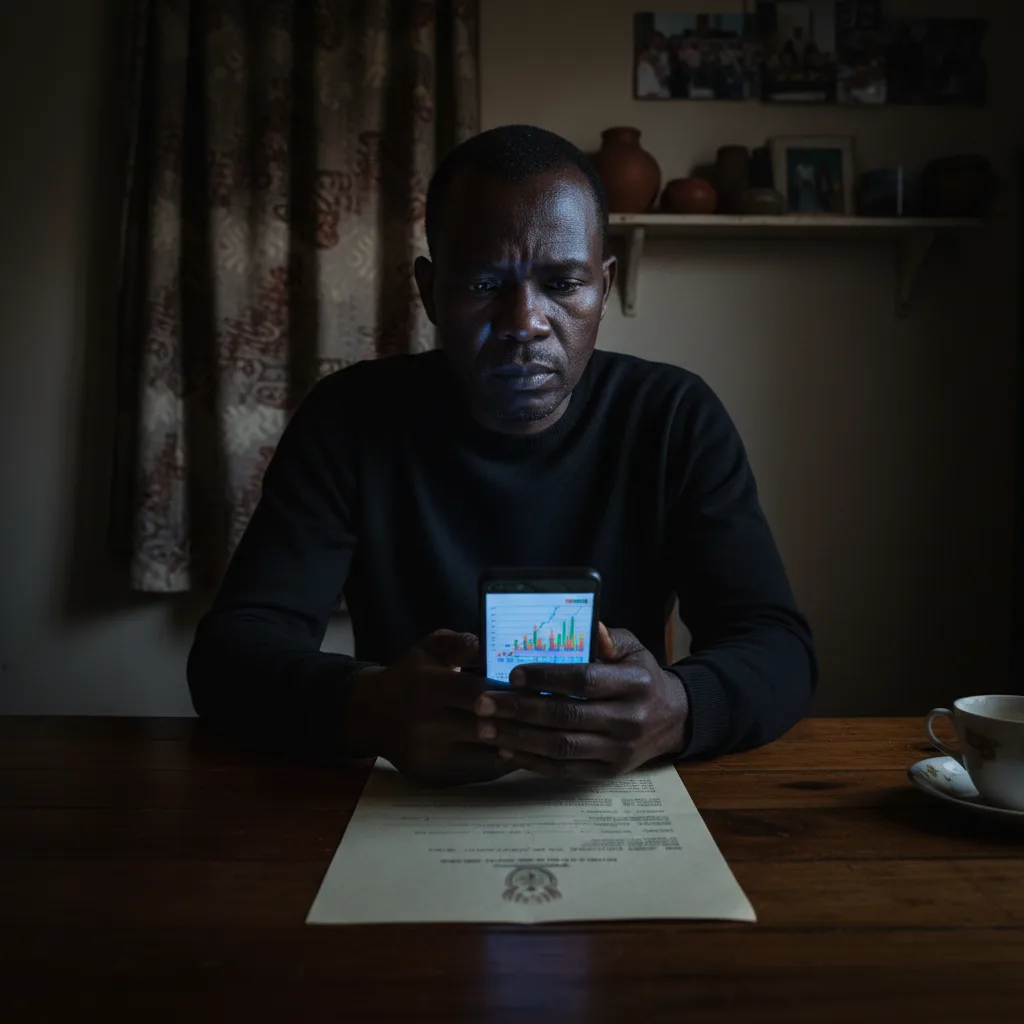
I’ve been looking over the leaked National Treasury documents from April 2026, and frankly, the numbers are terrifying. While the government talks about “progress,” these papers reveal a calculated plan to strip the SASSA SRD grant away from 3 million people. This isn’t just a minor adjustment; it’s a R20 billion raid on South Africa’s social safety net to fund a Youth Wage Subsidy, and it changes everything we thought we knew about the future of support in this country.
The R750 Illusion: Unpacking the Leaked ‘Project Shift’ Document
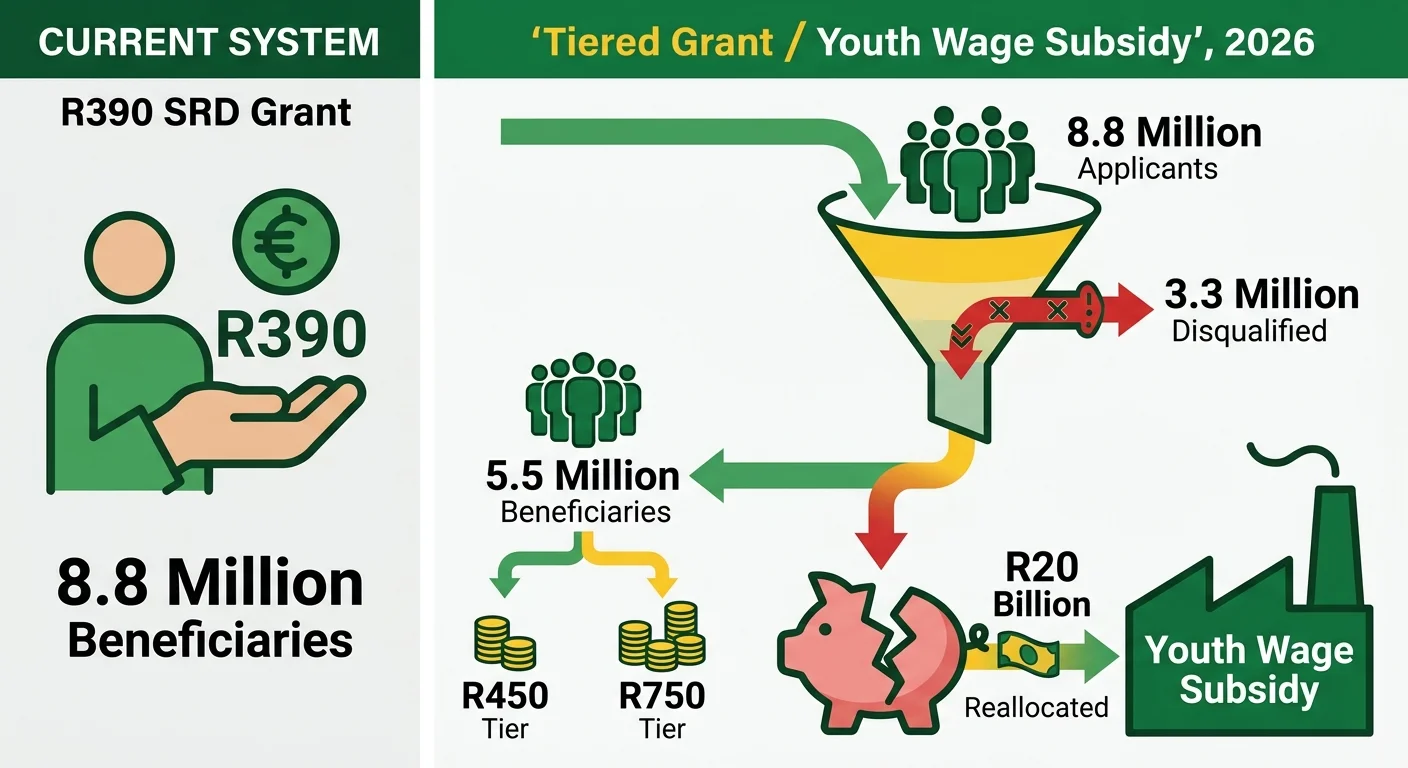
A bombshell report based on leaked Treasury documents from April 2026 has sent a shock through South Africa. The plan, which officials are calling “Project Shift,” tries to frame a new “tiered” SASSA grant as a win for the poor. But when you look at the math, it’s a shell game. The Daily Maverick’s analysis shows the real goal is to slash the number of SRD beneficiaries from 8.8 million down to just 5.5 million.
That means over 3.3 million people who rely on that R390 every month would be left with nothing. The government is dangling R450 and R750 payments in front of us, but those higher amounts are only possible because they plan to kick millions of others off the system. It feels like a brutal move to shrink the welfare state just to redirect money toward a pro-business Youth Wage Subsidy.
The New Disqualification Trap: How the ‘Tiered’ System Aims to Cut You Off
The heart of “Project Shift” is a new way of testing who is “poor enough” to qualify, and it looks like it was designed specifically to exclude people. According to the leak, the old income test is going away. In its place, SASSA wants to use a complex, multi-layered system that I believe will trap thousands of honest applicants in red tape. The plan includes:
- Household Income Profiling: SASSA would stop looking at just your income. Instead, they’ll use data from Home Affairs, SARS, and credit bureaus to estimate what your whole household earns. If you live with someone who has a small job, you could be disqualified, even if you don’t see a cent of that money.
- Mandatory ‘Skills Audits’: You’d be forced to register on a Department of Labour database and finish a skills audit. If you don’t keep up with their “active” work-seeking rules—which are still pretty vague—you’re automatically cut off.
- Regional Economic Filters: This is the part that really concerns me. The proposal suggests different rules based on where you live. An unemployed person in Gauteng might face a much harder test than someone in the Eastern Cape. It feels unfair and potentially discriminatory.
These hurdles are presented as “better targeting,” but let’s be honest: they are bureaucratic weapons meant to hit that 3.3 million reduction target. If you’re trying to navigate the system right now, check out our Complete SRD Grant Application Guide.
From R390 Grant to a Wage Subsidy: Is This a Fair Trade-Off?
The R20 billion the government hopes to save is already spoken for. They want to expand the Youth Wage Subsidy, a program that gives tax breaks to companies that hire young people. Treasury argues this moves us from “passive” spending to “active” job creation.
I’m not convinced. Social policy expert Dr. Khwezi Mbeki points out that these subsidies often just help employers lower their wage bills without actually creating long-term, stable jobs. Plus, the subsidy is only for people aged 18 to 35. If you’re 40 years old, unemployed, and you lose your R390 grant, this new plan offers you zero help. With youth unemployment at 60% in early 2026, we need jobs, but I don’t think we should be sacrificing the survival of older citizens to pay for them.
Political Fallout: GNU Divided Over SASSA’s Future
This leak has hit the Government of National Unity (GNU) like a sledgehammer, exposing the massive cracks in the coalition. My sources say the market-leaning side of the government, mostly aligned with the DA, is championing the plan. They want to move from “dependency to employment.”
On the other side, factions within the ANC, along with the EFF and MK, are ready for a fight. The EFF has already called the proposal a “declaration of war on the poor.” This isn’t just a policy debate; it’s a fight that could break the GNU apart by the time the 2026 mid-year budget rolls around.
Is Your May/June 2026 Grant Safe? What Beneficiaries Should Do Now
I want to be very clear: this is a leaked proposal, not a law. Nothing has changed for your May or June 2026 payments. Don’t let the rumors panic you. Your money will still be paid according to the current rules.
You should keep an eye on the official Payment Dates for May and June 2026 and continue doing your monthly SRD R350 Status Check to make sure everything is active. Changing a law like this takes months and requires the public to have a say. We aren’t there yet.
Civil Society’s Response and How You Can Fight Back
The backlash from groups like Black Sash and the Institute for Economic Justice (IEJ) has been immediate and loud. The IEJ called the plan an “ideological assault” that will only lead to more hunger. These groups are already sharpening their legal tools to fight this in court if it ever becomes official.
The best thing you can do right now is stay informed and make your voice heard. If the government opens this up for public comment, use that chance to speak up. And if your grant is declined under the current rules, don’t just give up. Use our Appeals Page to fight for what you’re owed.
Frequently Asked Questions
Is SASSA officially cutting the R390 grant in 2026?
How would the new 'tiered grant' system disqualify people?
What is the Youth Wage Subsidy that would be funded by these cuts?
When would these SASSA changes happen if they are approved?
Will my May or June 2026 SRD payment be affected by this news?
Who is most at risk of losing their grant under this proposed plan?
Read Next
SASSA June Payment Update: June 2026 Payment Cycle Confirmed
The June 2026 SASSA payment cycle is confirmed for 2, 3 and 4 June 2026 for the …
The R50 Billion Food Waste SHOCK: Why Your R390 SASSA Grant Can't Buy Food While SA Throws It Away
BREAKING May 2026: A shocking new report reveals South Africa wastes over R50 …
Comments & Discussions