
Table of Contents
A comprehensive analysis of the socio-economic impact of SASSA grants in South Africa for 2026. We explore the arguments for grants as a vital lifeline against poverty and the counterarguments about fostering dependency and stifling economic growth. This thought-provoking piece examines the future of the SRD grant, the national budget implications, and what needs to change.
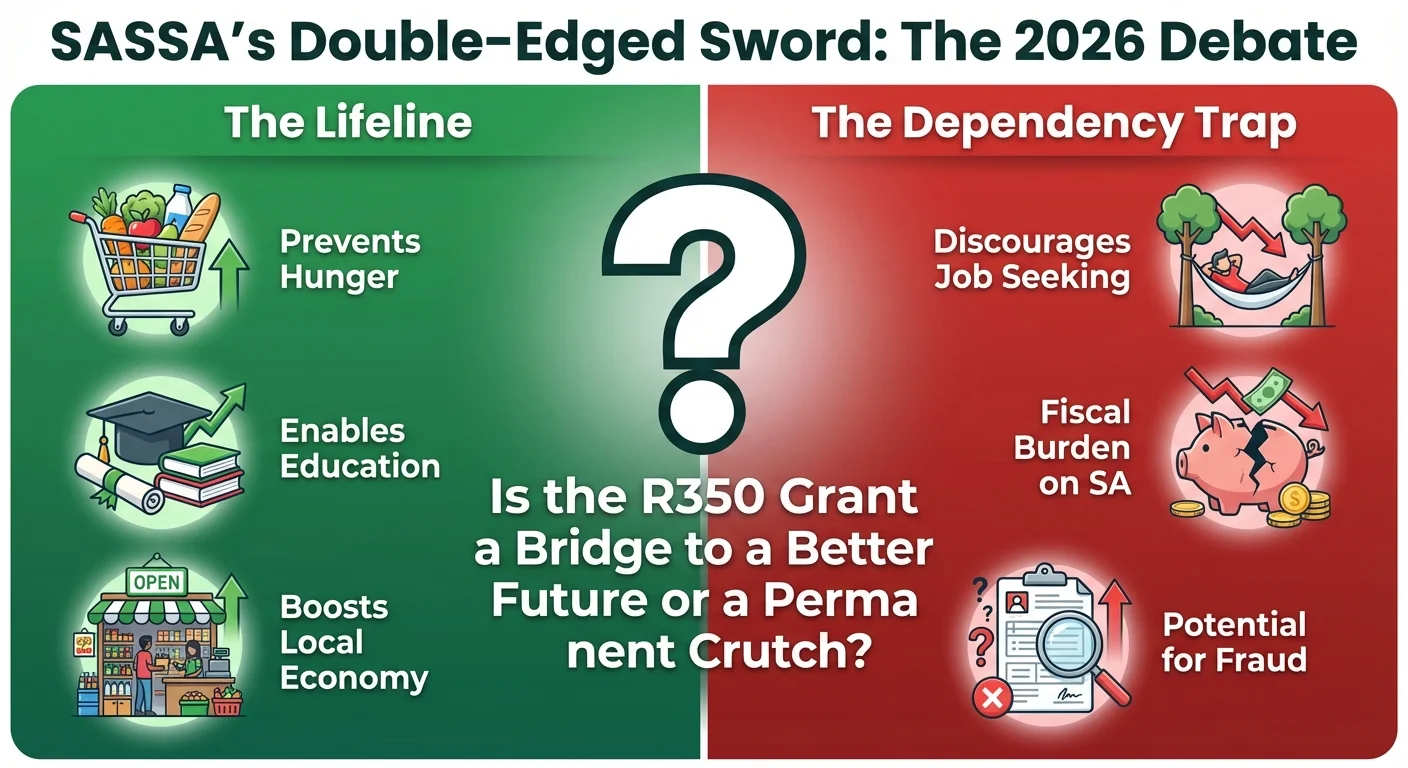
The Great Debate of 2026: Is the R350 Grant a Lifeline or a Crutch?
Welcome to January 2026. As the nation grapples with persistent unemployment and rising living costs, the SASSA Social Relief of Distress (SRD) grant remains a fixture in millions of lives. But the question on everyone’s mind is a difficult one: Is this R350 a month a crucial tool for survival that keeps the fabric of our society from tearing apart, or is it a short-sighted solution that fosters a dangerous culture of dependency? This isn’t just an economic question; it’s a moral one about the future we are building for South Africa. We’re not just reporting the news; we’re dissecting the very core of this debate.
Argument 1: The Undeniable Lifeline in a Sea of Poverty
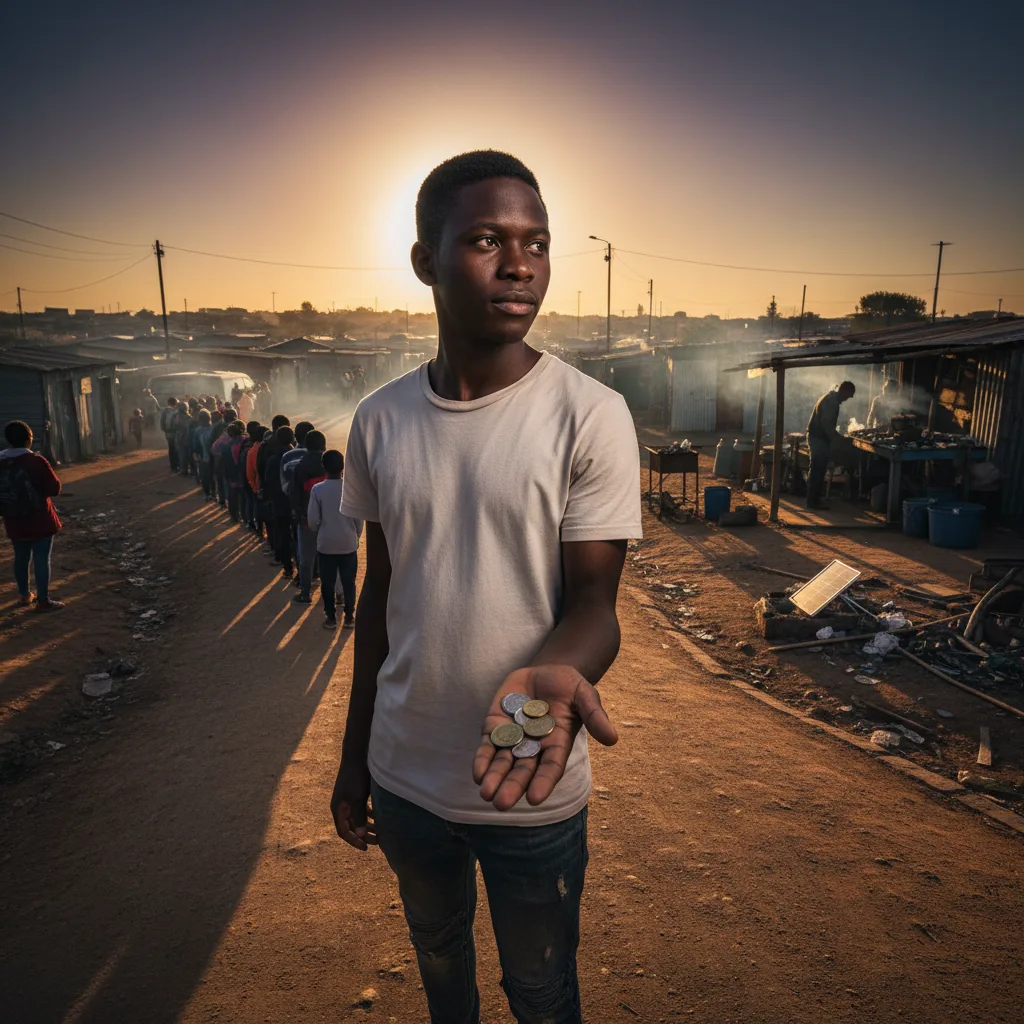
Let’s be brutally honest. For millions, the R350 grant is the only thing standing between them and absolute destitution. It’s the money for a bag of maize meal, electricity units, or a child’s transport to school. Reports from organisations like the Pietermaritzburg Economic Justice & Dignity group have consistently shown that even this small amount makes a significant difference in household food security. In the informal settlements of Gauteng and the rural villages of the Eastern Cape, this grant fuels micro-economies. Spaza shops see more business, and local vendors can make a small living. To argue against it is to ignore the harsh reality faced by over half our population living below the poverty line. It’s not a luxury; it’s a non-negotiable survival tool in the current economic climate.
Argument 2: The Slippery Slope of State Dependency
Conversely, critics argue that the indefinite extension of the SRD grant, without a clear exit strategy, is creating a generation reliant on state handouts. Small business owners often complain about the difficulty of finding entry-level labour, suggesting some potential workers would rather receive the R350 than take on temporary or low-wage work. The bigger concern is the psychological impact: does the grant diminish the urgency to seek skills, start businesses, or find employment? This is the ‘dependency trap’ that economists warn about. It risks creating a permanent class of citizens reliant on the state, which is not only fiscally unsustainable but can also erode individual agency and ambition.
The Strain on the National Purse: A Reality Check for 2026
The numbers don’t lie. Paying millions of SRD grants each month places an immense burden on South Africa’s national budget. As of early 2026, this expenditure rivals the budgets of entire government departments. This money has to come from somewhere. It means less funding for infrastructure, education, healthcare, and critically, job creation initiatives. Every Rand spent on social relief is a Rand not spent on building the long-term economic capacity that could make such grants unnecessary. The National Treasury has repeatedly flagged this as a major fiscal risk, forcing a difficult national conversation about priorities.
Human Stories: Beyond the Statistics
The debate isn’t just about numbers; it’s about people. Consider these common archetypes:
- The Student: A young woman in Limpopo uses her R350 grant exclusively to buy data, allowing her to apply for jobs online and complete free courses. For her, it’s a tool for upward mobility.
- The Single Mother: A mother in Khayelitsha combines her Child Support Grant with the SRD grant to ensure her children have two meals a day. For her, it’s about survival.
- The Discouraged Youth: A young man in Soweto, having faced countless job rejections, now sees the R350 as his primary ‘income’. He no longer actively seeks work. For him, it has become a crutch.
These stories illustrate that the grant’s impact is not uniform; it’s a complex issue with deeply personal outcomes.
Our Analysis: A Necessary Evil, But a Policy Dead End
Here is our take: cutting off the SRD grant in 2026 without a viable alternative would be catastrophic and morally indefensible. It serves a vital purpose right now. However, treating it as a permanent solution is a colossal policy failure. It’s a plaster on a gaping wound. The real problem is the structural unemployment and inequality that makes the grant necessary in the first place. The government’s focus seems stuck on managing poverty rather than creating pathways out of it. This is where the outrage should be directed. The R350 grant should not be a destination; it must be a temporary stop on a journey to financial independence.
What’s the Alternative? Moving Beyond Handouts
So, what should be done? The conversation in 2026 needs to shift urgently.
- Conditional Grants: Link grant eligibility to participation in skills training programs, community work, or accredited job-seeking activities.
- Entrepreneurial Support: Instead of just cash, offer micro-vouchers for starting small businesses (e.g., buying stock for a spaza shop, a sewing machine, or gardening tools).
- Public-Private Partnerships: Create massive public employment programs focused on infrastructure and community improvement, providing a real wage instead of a grant.
- Aggressive Job Creation Focus: Every single government policy should be judged on one primary metric: How many jobs does it create? The grant system, in its current form, creates zero.
For Beneficiaries: How to Use the R350 as a Tool, Not a Trap
If you are a recipient, it is crucial to view this grant as a stepping stone. While you await your monthly funds, which you can track via the official SASSA Payment Dates page, think strategically. Can you pool your grant with a few friends to buy goods in bulk and resell them? Can you use R50 for data to learn a new skill on YouTube? The goal is to leverage this small amount into something more. Don’t let it be the end of your ambition. If your application status is pending, you can use the SRD Status Check guide to get clarity.
The Government’s Next Move: What to Expect in 2026
All eyes are on the upcoming budget speech. Will the grant be increased to account for inflation? Will new conditions be attached? Sources within government are divided, reflecting the national debate. Activist groups are pushing for the grant to be made permanent and increased to the food poverty line, while fiscal conservatives are calling for it to be phased out. The decision made in the next few months will define South Africa’s social policy for the rest of the decade. And if you find your grant is declined amidst policy shifts, understanding the SASSA Appeals process is more important than ever.
Conclusion: A Challenge to Every South African
The SASSA grant debate is not just for politicians in Parliament. It’s a challenge to all of us. We must demand more than just survival from our government; we must demand a future. While we fight for a social safety net that protects the vulnerable, we must fight even harder for an economy that gives every single person a chance to work, to build, and to thrive. The R350 grant is a reflection of our current failure, but how we reform it will determine our future success.
Frequently Asked Questions
Will the SASSA R350 grant be made permanent in 2026?
Is the SASSA grant creating dependency among the youth?
How much does the SRD grant cost the country in 2026?
What are the main arguments FOR continuing the grant?
What are the main arguments AGAINST the grant in its current form?
Are there any proposals to change how the SASSA grant works?
Why can't the government just create jobs instead of giving grants?
How can I check my SASSA status for January 2026?
Read Next
SASSA's May 2026 Mobile Money Bombshell: Is Your R390 Grant Coming via WhatsApp?
BREAKING NEWS for March 2026: SASSA is reportedly rolling out a groundbreaking …
SASSA 'Double Payment' Shocker for April 2026: Why Your R390 March Grant is Now at Risk
BREAKING March 2026: SASSA has just announced a surprise ‘Double …
Comments & Discussions