Table of Contents
A comprehensive guide for South Africans whose SRD R350 grants were declined in January 2026. Discover the real reasons beyond the generic codes, including issues with the UIF database, Home Affairs verification, and income source flags. This article provides a clear, actionable strategy for requesting reconsideration and fixing your status.
The January 2026 Shock: Why Was Your R350 Grant Suddenly Declined?
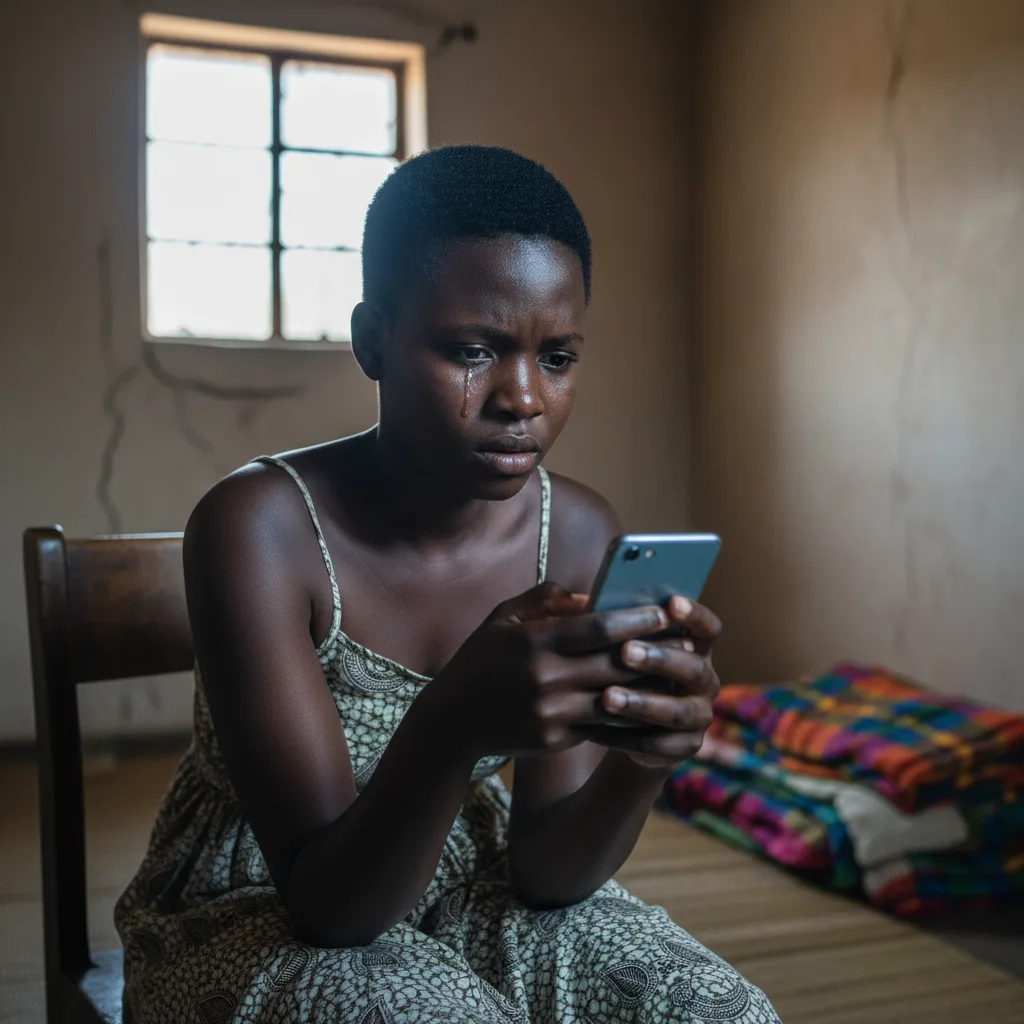
You checked your phone this morning, hopeful. You logged onto the portal, entered your details, and then your heart sank. ‘Declined’. For thousands of South Africans relying on the R350 Social Relief of Distress (SRD) grant, this single word in January 2026 has caused widespread panic and confusion. After months of successful payments, why now? The generic reasons provided by SASSA often create more questions than answers. This isn’t just bad luck; it’s a systemic issue. Reports are surfacing about new verification cross-checks and database syncs that are incorrectly flagging eligible applicants. In this article, we’re not just going to list the official reasons. We’re going to dive into the hidden issues plaguing the system in January 2026 and give you a concrete action plan to fight back and get the money you deserve.
Decoding the Decline: Beyond ‘Means Test Failure’
SASSA’s system will give you a reason for your declined status, but it’s often a vague, unhelpful code. Let’s break down what they actually mean in the context of 2026’s stricter rules:
- ‘alternative_income_source_identified’: This is the most common and frustrating reason. In 2026, SASSA’s automated systems are scanning your bank account with unprecedented scrutiny. This flag can be triggered by as little as R624 entering your account in a month. This could be money from a friend repaying a loan, a small payment for a side-job, or even a family member helping you out. The system doesn’t see context; it just sees income.
- ‘uif_registered’: A major issue this January. Reports suggest a faulty data sync between SASSA and the Department of Labour’s UIF database. Many people who are unemployed and have not received UIF benefits in years are being incorrectly flagged as active UIF recipients.
- ‘identity_verification_failed’: This means SASSA’s check against the Department of Home Affairs (DHA) database failed. It could be a simple typo in your name or ID number during application, or a more complex issue with your records at the DHA that you need to resolve directly.
- ‘bank_details_verification_failed’: New for 2026, banks are implementing stricter automated checks. If the name and ID number on your SASSA application do not match exactly with your bank account details, it will be flagged and your application declined. Even a missing initial can cause a failure.
The Investigation: Are System Glitches Robbing You of Your Grant?
Let’s be clear: this isn’t always your fault. While application errors happen, the evidence in early 2026 points towards significant system-level problems. The reliance on automated database cross-referencing is a double-edged sword. While it’s designed to prevent fraud, its implementation is proving to be blunt and unforgiving, catching thousands of innocent, eligible beneficiaries in its net.
The UIF Database Debacle: The most significant issue appears to be the UIF data. If you were declined for this reason but know you are not receiving UIF, you are likely a victim of this database mismatch. It’s crucial you challenge this specific point in your reconsideration request.
The Problem with ‘Alternative Income’: The system’s definition of income is overly simplistic. It fails to distinguish between a regular salary and an irregular, small amount of money received for non-employment reasons. This policy disproportionately affects those in the informal economy or those who rely on community support, the very people the grant is meant to help. You can read more about checking your specific decline reason on the official portal by following our SRD Status Check guide.
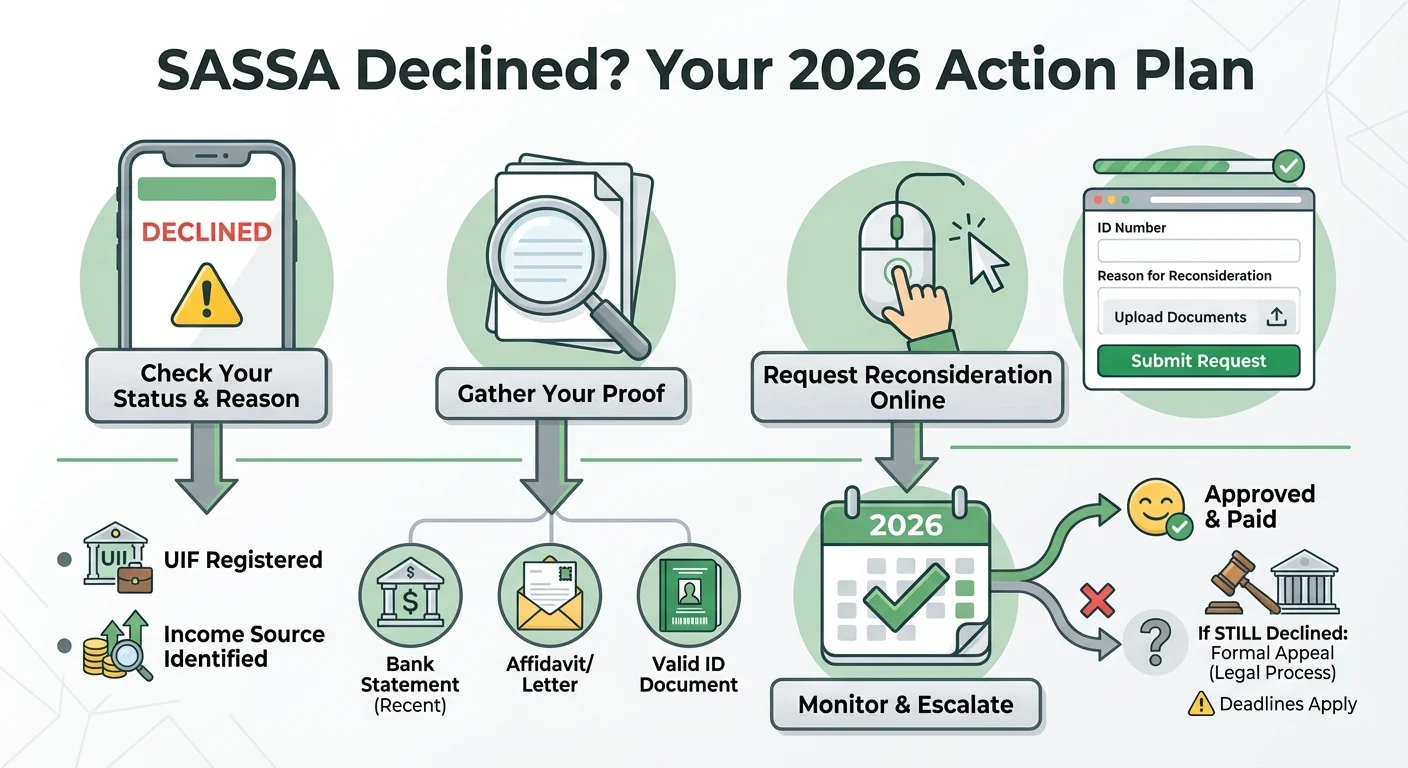
Your 4-Step Action Plan: How to Fix a ‘Declined’ Status in January 2026
Feeling powerless is normal, but now it’s time to take action. Do not simply re-apply. You must formally challenge the decision for January 2026. Follow these steps precisely.
Step 1: Identify the Exact Reason for Decline
First, you need to know exactly what you’re fighting. Go to the SASSA SRD website and perform a status check. Write down the exact reason given. Is it ‘uif_registered’? Is it ‘alternative_income_source_identified’? Knowing the specific reason is critical for the next step.
Step 2: Gather Your Evidence (This is Crucial!)
This is where you build your case. SASSA’s system made an automated decision; you need to provide human context.
- For ‘alternative_income_source_identified’: Get your bank statement for the month in question. Highlight any incoming funds and be prepared to explain them. If a friend paid you back, write a short, signed note (an affidavit) explaining the transaction. The burden of proof is on you.
- For ‘uif_registered’: You need to prove you are not receiving UIF. You can get a printout from the Department of Labour showing your UIF status is ‘Inactive’ or ‘Not a contributor’. This is powerful evidence.
- For ‘identity_verification_failed’: Double-check every letter of your name and every digit of your ID number on your application. If it’s a typo, note it down. If not, you may need to visit Home Affairs to confirm your details are correctly captured on their system.
- For ‘bank_details_verification_failed’: Get a letter from your bank confirming your account details, including your full name and ID number as they have it on record.
Step 3: Request ‘Reconsideration’ (Not an Appeal… Yet)
For the SRD R350 grant, the first step after a decline is to request reconsideration. This is different from a formal appeal. Reconsideration asks SASSA to take a second look at your application for that specific month, using any new information you provide.
- Go to the official SASSA SRD website.
- Find the ‘Lodge an Appeal’ or ‘Reconsideration’ tab.
- Follow the prompts to select the month you were declined for (e.g., January 2026).
- You will be directed to the ITSAA (Independent Tribunal for Social Assistance Appeals) website.
- Fill in your details and clearly state why you believe the decision was incorrect, referencing the evidence you gathered in Step 2. Be concise and factual. For example: “The system flagged me for UIF, but I have attached proof from the Department of Labour that I am not a recipient.”
Step 4: Monitor Your Status and Prepare for the Next Step
Submitting a reconsideration request is not the end. The process can take several weeks. You must check your status regularly. If your reconsideration is successful, your status will change to ‘Approved’ for January 2026, and you will receive your payment, though it may be delayed. You can check the updated Payment Dates schedule to see when back-payments are typically processed.
If your reconsideration is also declined, your next and final option is to lodge a formal appeal. This is a more complex process, and you should follow a detailed guide. For more information, see our complete SASSA Appeals Guide.
Preventing Future Declines: How to Stay Off the ‘Declined’ List
While system errors are out of your control, you can take steps to minimize the risk of future rejections:
- Keep Your Details Updated: Always ensure your contact and bank details are current on the SASSA portal. If you change your number, update it immediately.
- Understand the Income Threshold: Be mindful of the R624 income threshold. If you anticipate receiving money that might push you over the limit, understand it will likely trigger a decline for that month.
- Use a Dedicated Bank Account: If possible, use a bank account solely for your SASSA grant. This makes it easier to track and explain transactions if you are ever flagged for ‘alternative income’.
- Double-Check Your Application: When reconfirming your grant details each month, triple-check every single digit and letter. A tiny mistake can lead to a ‘failed’ verification. Our guide on How to Apply for the SRD Grant has tips on avoiding common errors.
The Bigger Picture: Is the System Fit for Purpose in 2026?
The recurring issues with declined applications raise a critical question: is the automated system, designed for efficiency, actually creating an inefficient and cruel barrier for the most vulnerable? While preventing fraud is essential, the current system appears to be casting too wide a net. A system that cannot distinguish between a salary and a R100 loan repayment from a family member is fundamentally flawed. As we move through 2026, the government and SASSA must invest in smarter, more nuanced verification systems that incorporate a degree of common sense, ensuring that the R350 grant reaches those it was truly intended to help.
Frequently Asked Questions
How long does a SASSA reconsideration request take in 2026?
My SASSA grant was declined due to 'alternative_income_source_identified' but I have no job. Why?
What is the difference between reconsideration and an appeal?
Can I fix my declined status by calling the SASSA helpline?
I was declined because of a UIF registration, but I haven't worked in years. What do I do?
Will I get my January 2026 payment if my reconsideration is approved?
What if I made a mistake on my banking details?
Does requesting reconsideration for January affect my grant for February 2026?
Read Next
Home Affairs ID Crisis 2026: Your R390 SASSA Grant Now Blocked? Your Emergency Plan
BREAKING March 2026: A catastrophic system failure at the Department of Home …
Stage 8 Blackout: Your March 2026 SASSA R390 Payment is Trapped. The Ultimate Survival Guide.
BREAKING March 2026: Eskom has plunged South Africa into an unprecedented Stage …
Comments & Discussions