Table of Contents
Stage 8 Blackout Crisis: Your SASSA R370 Grant is Useless If You Can’t Spend It – The 2026 Survival Plan
It is February 2026, and South Africa is effectively standing still under Stage 8 load shedding. For the millions of people relying on a SASSA grant, this isn’t just an inconvenience or a dark house—it is a fight for survival. I’m writing this because when the grid fails, the R370 in your account becomes a digital ghost that you can’t touch, spend, or eat. You need a plan right now to handle the collapse of ATMs, mobile networks, and store payment systems before things get even worse.
National Crisis: Why Stage 8 Makes Your SASSA Grant Worthless
As of 1 February 2026, South Africa is stuck in the worst power crisis we have ever seen. Eskom’s move to indefinite Stage 8 load shedding is a total breakdown of the systems that keep us going. If you depend on the R370 SRD grant, the situation is terrifying. The digital tools you use to get your money have basically stopped working.
Even if the Payment Dates say your money is ready, that doesn’t mean much if you can’t get to it. The money sits in your account as a digital promise you can’t keep. ATMs are dead, supermarket card machines won’t connect, and cell phone towers are dropping off, so banking apps and “cash send” options are useless. This isn’t just a delay. It’s a broken system that turns your lifeline into a number on a screen you can’t use. That R370 was already barely enough to live on, but now its value is zero if you’re trapped without a way to pay for bread.
The Triple Threat: No Cash, No Swiping, No Communication
The Stage 8 crisis has hit beneficiaries with three massive problems at once, making it almost impossible to function.
1. The Cash Catastrophe: Getting physical cash is now a nightmare. Long, desperate lines form the second the power flickers back on, but ATMs run out of money almost instantly or the network crashes under the pressure. Banks can’t get their vans out to refill them fast enough. In rural areas and townships, some ATMs might stay dark for days, leaving whole towns with no way to buy anything.
2. The Digital Dead End: Don’t count on “cash back” at the till. Supermarkets and spaza shops are stuck. Their card machines are just plastic bricks without power and a signal. If you have your SASSA card but the shop can’t swipe it, you aren’t getting groceries. It shows how much we’ve relied on technology that can’t handle a real crisis.
3. The Communication Blackout: This is the part that worries me the most. Cell towers only have so much battery life. When they go down, you lose the SASSA WhatsApp line and the SRD Status Check portal. You won’t get the SMS telling you your grant is ready. You are left in the dark, literally and figuratively, with no way to get help.
Your Immediate 5-Step Survival Plan: What to Do Right Now
You cannot afford to panic. You need a clear head and a better plan. Here are five things every SASSA beneficiary needs to do to get through the chaos of February 2026:
Step 1: Get Cash the Second You Can. Forget about swiping your card later. In a blackout, cash is the only thing that works. The moment the lights come on, get to an ATM or a store like Shoprite, Boxer, or Pick n Pay and take out every cent of your grant. Don’t wait for tomorrow. The lines will be long and people will be angry, but you have to stay in that queue. This is your number one priority.
Step 2: Change Your Shopping List. You have to spend that R370 differently. Forget anything that needs a fridge. Your money has to go toward things that last. Buy maize meal, tinned fish, beans, salt, sugar, and oil. Get candles, matches, and paraffin. These are the things that will keep your family fed when the stove won’t turn on.
Step 3: Stockpile Water and Fuel. When the power goes, the water pumps often stop too. Fill every bottle and bucket you have as soon as the tap is running. If you usually cook on an electric stove, you’re going to need a backup. A small paraffin stove or even a safe place for a wood fire is the only way you’re going to eat.
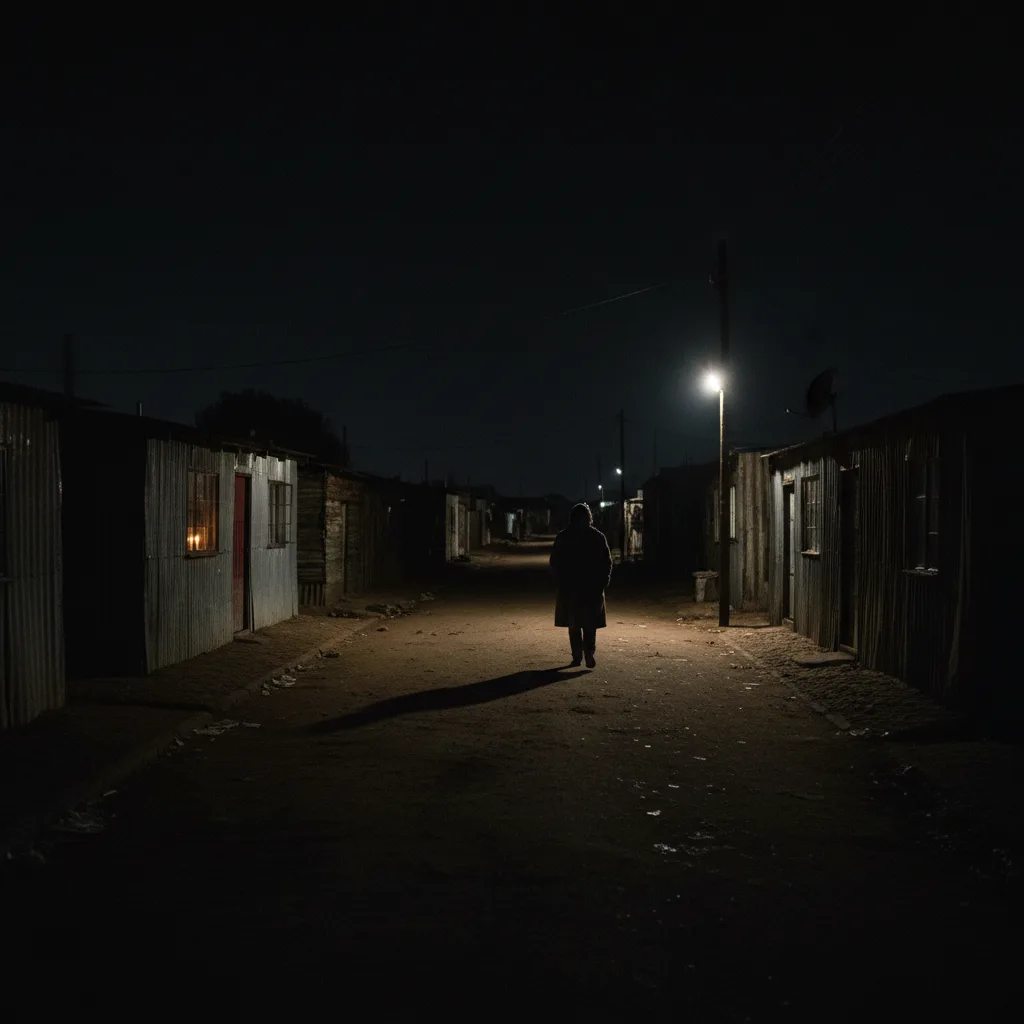
Step 4: Talk to Your Neighbours. We have to look out for each other. Form a small group on your street. Maybe one person has a gas bottle and another has a radio for news. Share what you have. It’s also safer to watch over each other’s homes together, especially when it’s pitch black outside and the police are stretched thin.
Step 5: Save Your Phone Battery. Treat your phone battery like gold. Turn off everything—Wi-Fi, Bluetooth, and dim the screen. Only use it for emergency calls or checking the news. If you find a place to charge it, make sure your power bank is full. That phone is your only link to the world if things go wrong.
Hidden Dangers: Protecting Your Grant from Crime and Scams
The dark brings out the worst in some people. Criminals know you are carrying cash and that you are desperate. Be incredibly careful at ATMs. Don’t go alone, never go at night, and keep your eyes open. Hide your money the second it comes out of the machine.
Also, watch out for “blackout scams.” Scammers love a crisis. You might get a fake SMS saying SASSA is giving out a “blackout bonus” or “emergency funds” if you click a link. It’s a lie. They just want to steal your details and your grant. SASSA does not send links like that. If someone at an ATM offers to “help” you get money for a fee, walk away. Only use official stores and trusted people.
The Community Lifeline: When Rands Fail, Neighbours Prevail
When the economy breaks, we have to rely on each other. This is where “ubuntu” actually matters. If the R370 can’t buy what you need, your community might be the only thing that saves you.
- Stokvels and Groups: If you’re in a stokvel, use it now. Buy food in bulk together. It’s cheaper and you can share the load.
- Trading Skills: If you have no cash, what can you do? Can you fix a roof? Can you watch the kids while a neighbour waits in a four-hour ATM line? Maybe you can trade a repair for a bag of maize.
- Street Kitchens: It’s much smarter to have one big fire or one gas stove for the whole street than everyone trying to cook alone. It saves fuel and it keeps people’s spirits up when things feel hopeless.
An Open Letter to SASSA: A Call for an Emergency Response Plan
This crisis shows that the SASSA system is built on a foundation that is crumbling. We can’t just keep pretending the old way works. I believe SASSA and the Department of Social Development must create a real emergency plan for when the grid fails. We need:
- Mobile Pay Points: Send vans into the townships and rural areas that can pay out cash manually or have their own power and satellite links.
- Community Hubs: Let churches and community halls act as emergency pay points so people don’t have to travel miles to a broken ATM.
- Old-School Communication: Use community radio and loud-hailers to give updates when the cell towers are dead.
- Extra Help: The R370 is a survival grant for normal times. In a national disaster, we need food parcels or vouchers handed out directly at these hubs.
Waiting for the power to come back on isn’t a plan; it’s a failure of leadership. The government has to stop leaving the most vulnerable people to suffer in the dark.
Frequently Asked Questions
Will SASSA change the February 2026 payment dates because of Stage 8 load shedding?
What if the ATMs in my area don't work for the whole week?
How can I check my SASSA status if my phone has no signal?
Are spaza shops a safe alternative for buying food?
What are the most important things to buy with my R370 grant during a blackout?
My refrigerated food has spoiled because of the blackout. Can SASSA help?
Read Next
The R100 'Easy Credit' Trap: How 'Buy Now, Pay Later' is Draining Your R390 SASSA Grant in 2026
BREAKING March 2026: A new wave of ‘Buy Now, Pay Later’ (BNPL) …
SASSA Easter Payout CONFIRMED: Get Your R390 April Grant Early for the 2026 Holiday Weekend
BREAKING NEWS for March 2026: SASSA has officially confirmed that April 2026 …
Comments & Discussions