
Table of Contents
Go beyond the headlines of payment dates and status checks. This in-depth 2025 analysis confronts the controversial realities of the South African Social Security Agency (SASSA). We investigate the tough questions: Are grants discouraging work? How deep does the corruption run? And what is the real long-term cost to the country and its people? This is the conversation South Africa needs to have now.
Introduction: The Lifeline That Casts a Long Shadow
Every month, millions of South Africans look to SASSA as a critical lifeline. In November 2025, the R350 Social Relief of Distress (SRD) grant, alongside other social assistance, stands between many families and absolute poverty. It’s a fact we must acknowledge and respect. However, to ignore the growing shadows this system casts is to ignore a looming national crisis. This article isn’t about attacking the grant system; it’s about having the honest, uncomfortable conversation that politicians often avoid. We will delve into the dark side of SASSA—the unintended consequences that threaten the very fabric of our society’s economic future and individual potential.
The Dependency Dilemma: A Crutch or a Cage?
The most contentious debate surrounding SASSA in 2025 is that of dependency. While proponents argue grants provide a crucial safety net that stimulates local economies, a growing chorus of economists and social analysts are raising red flags. The question is stark: has the safety net become a cage? When a generation grows up seeing social grants as a primary and long-term source of income, it fundamentally alters the national mindset towards work, innovation, and self-reliance. This analysis does not blame beneficiaries; it questions a system that may, in its current form, fail to provide a clear pathway out of poverty, instead creating a managed state of it.
The Multi-Billion Rand Leak: Fraud and Corruption in 2025
The Auditor-General’s reports have repeatedly highlighted systemic vulnerabilities, and 2025 is no different. The ‘dark side’ of SASSA is awash with sophisticated fraud. We’re not just talking about individuals misrepresenting their status. We are talking about organised syndicates creating thousands of ‘ghost’ beneficiaries, government officials manipulating payrolls, and cybercriminals exploiting system loopholes. Every Rand stolen is a Rand denied to a genuinely desperate person. This section breaks down the common types of fraud plaguing the system and why, despite numerous crackdowns, it remains a persistent, multi-billion Rand problem.
The Grant as a Political Tool: Votes for Handouts?
It’s naive to believe that social grants exist in a political vacuum. With national elections on the horizon, the timing of grant increases, announcements of extensions, and promises of new forms of assistance become powerful political tools. Critics argue this creates a transactional relationship between the state and the citizen, where votes can be perceived as being traded for social security. This fosters a cycle where politicians are incentivized to expand the grant system for electoral gain, rather than focusing on the more difficult, long-term solutions of job creation and economic growth. We analyse how grant-related announcements have historically correlated with election cycles and what this means for democratic integrity in 2025.
The Means Test Maze: Why the Poorest Are Still Left Behind
A cruel irony of the SASSA system is that its own complexity can exclude the very people it’s designed to help. The stringent means test, the requirement for digital literacy to apply and check your SASSA Status Online, and the bureaucratic hurdles of the appeals process often create insurmountable barriers. People living in deep rural areas with no internet access, those without official documentation, and individuals who are simply overwhelmed by the process can fall through the cracks. This section explores real-world scenarios where the system’s design fails the most vulnerable.
Economic Reality: Who Really Pays for the Grants?
There is no such thing as ‘government money’; there is only taxpayer money. In 2025, South Africa has one of the smallest tax bases relative to its population in the developing world. The burden of funding a massive and ever-expanding social grant system falls on a shrinking number of individual taxpayers and businesses. This creates immense economic pressure, potentially stifling investment and job creation. We examine the national budget to illustrate the staggering percentage allocated to social grants and discuss the long-term economic implications of this fiscal policy.
The Psychological Toll: Stigma, Shame, and Lost Hope
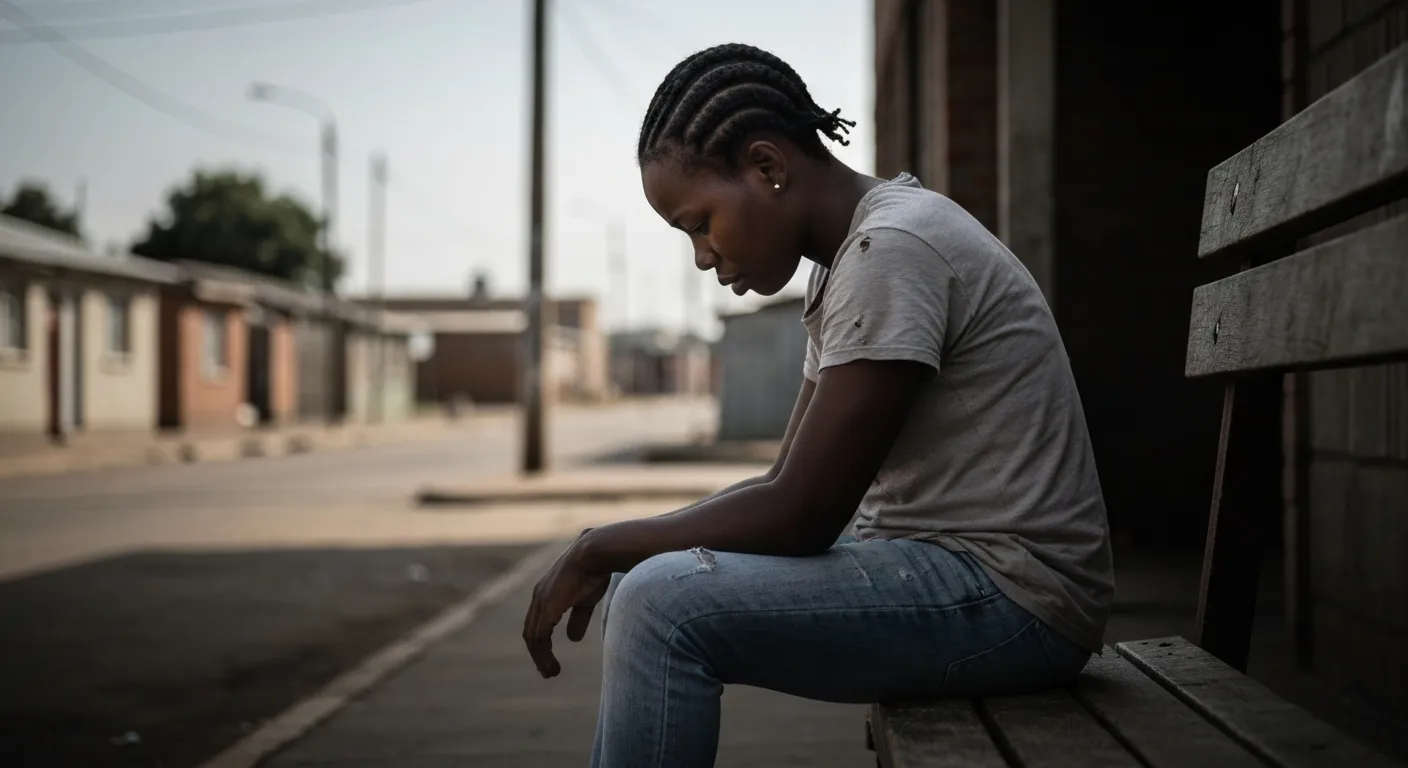
Beyond the economic and political analysis lies a deeply human cost. While many are grateful for the support, relying on a state handout can carry a heavy psychological burden. It can lead to feelings of shame, a diminished sense of self-worth, and a loss of agency over one’s own life. The monthly anxiety of checking if a payment is approved, the public queues, and the social stigma can erode dignity. This is a side of the grant system that statistics and budgets can never truly capture but is a critical part of the overall picture.
Beyond the Handout: What Are the Real Solutions?
Criticism without offering solutions is unproductive. If the current model is flawed, what is the alternative? This section explores progressive ideas being debated in 2025:
- Grant-to-Work Programs: Linking grants to skills development, vocational training, or community work participation.
- Micro-Enterprise Vouchers: Offering beneficiaries the option to convert a portion of their grant into a voucher for starting a small business.
- Public-Private Partnerships: Creating employment pathways where companies are subsidized to hire and train beneficiaries, gradually weaning them off the grant system.
- Financial Literacy Training: Making basic financial education a mandatory component of receiving a grant to encourage saving and responsible use of funds.
How to Navigate the System and Protect Yourself in November 2025
While we debate these larger issues, individuals must still survive within the current system. Here’s how to protect yourself from the ‘dark side’:
- Never Share Your Details: SASSA will never ask for your PIN or personal details via SMS or WhatsApp. Scammers are rampant.
- Use Official Channels: Only use the official SASSA website to apply or check your status. Avoid dodgy links.
- Keep Your Details Updated: Ensure your contact and banking details are correct to avoid payment delays, especially with the known issues around SASSA payment dates.
- Appeal Incorrect Decisions: If you are unfairly declined, do not give up. Follow the official SASSA appeals process immediately.
Conclusion: A Call for a More Dignified Future
SASSA’s social grants are a necessary intervention in a profoundly unequal society. But we must have the courage to admit that the current model is a temporary fix, not a permanent solution. The ‘dark side’ of dependency, fraud, and political manipulation is not an attack on beneficiaries but a critique of a system that needs radical rethinking. The goal for South Africa shouldn’t be to have a more efficient grant system; it should be to build an economy where fewer people need one. That is the honest, challenging, and essential conversation for November 2025 and beyond.
Frequently Asked Questions
Is this article saying SASSA grants are bad and should be stopped?
What is the 'dependency trap' mentioned in the article?
How big is the SASSA fraud problem in 2025?
Why is the future of the SRD R350 grant still being debated in late 2025?
Are there any proposals to link SASSA grants to work or training?
How can I protect my SASSA grant from scammers?
Does the means test really exclude poor people?
What is the alternative to the current SASSA grant system?
Read Next
Home Affairs ID Crisis 2026: Your R390 SASSA Grant Now Blocked? Your Emergency Plan
BREAKING March 2026: A catastrophic system failure at the Department of Home …
Stage 8 Blackout: Your March 2026 SASSA R390 Payment is Trapped. The Ultimate Survival Guide.
BREAKING March 2026: Eskom has plunged South Africa into an unprecedented Stage …
Comments & Discussions