
Table of Contents
The R20 Bread Scandal: Is Price-Fixing Making Your SASSA Grant Worthless in 2026?
As South Africa hits a breaking point with the cost of living in 2026, I’m looking at new claims that price-fixing on bread and maize is gutting SASSA beneficiaries. The Competition Commission is digging into this, and honestly, it looks like your R370 grant is being bled dry on purpose.
BREAKING: The Food Cartel Allegations Shaking South Africa
At the end of January 2026, we got hit with news that makes my blood boil. The Competition Commission just launched a massive probe into some of the country’s biggest food producers and shops. Why? Because they’re suspected of fixing prices on bread and maize meal. If you aren’t familiar with the term, price-fixing is when competitors make a secret, illegal deal to keep prices high so you can’t shop around for a better deal.
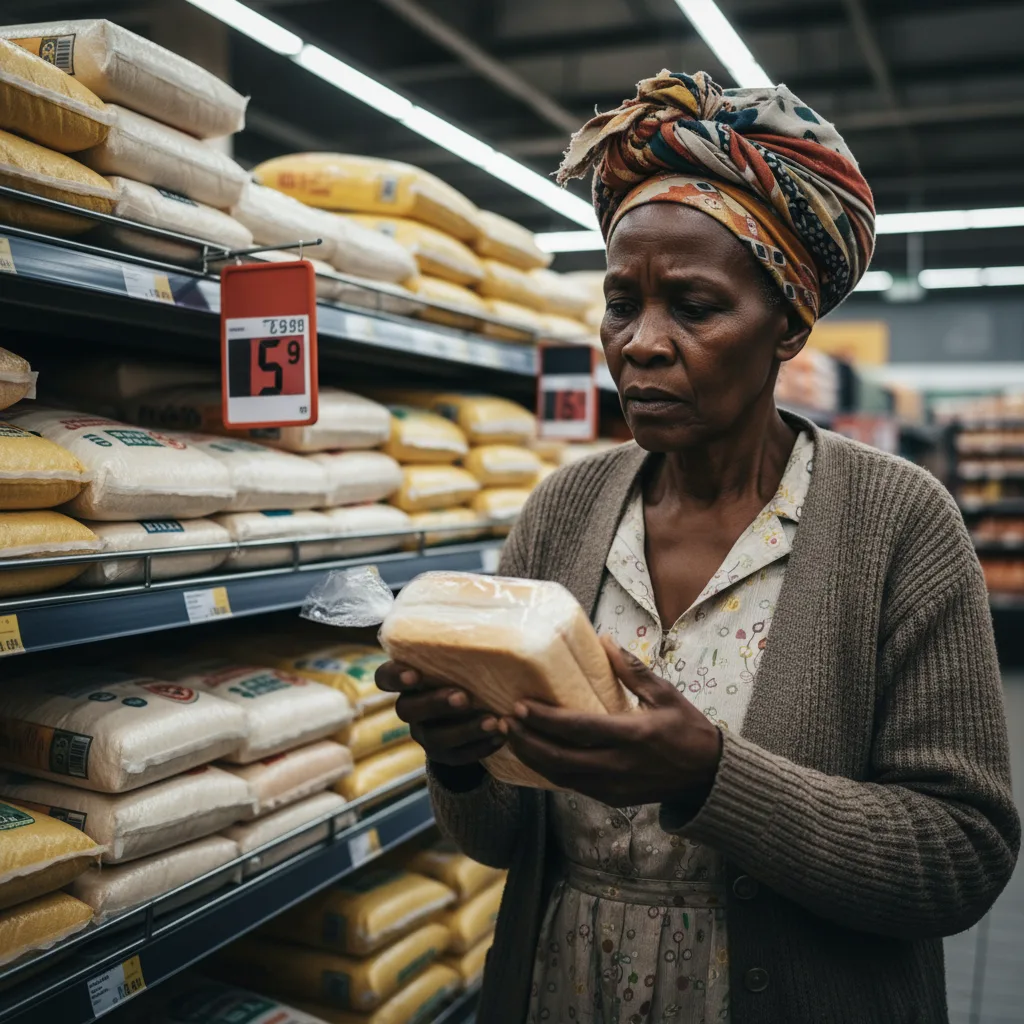
For the millions of people living on the R370 SRD grant, this isn’t just a headline. It’s a fight for survival. Seeing a loaf of bread push past R20 in Gauteng and across the country makes me wonder if this is just inflation or if it’s pure corporate greed. This investigation brings back bad memories of the 2007 bread cartel, where companies were caught doing the exact same thing. It makes me sick to think they might be doing it again while people are already struggling to eat.
The R370 Grant vs. The Shopping Trolley: A Losing Battle in 2026
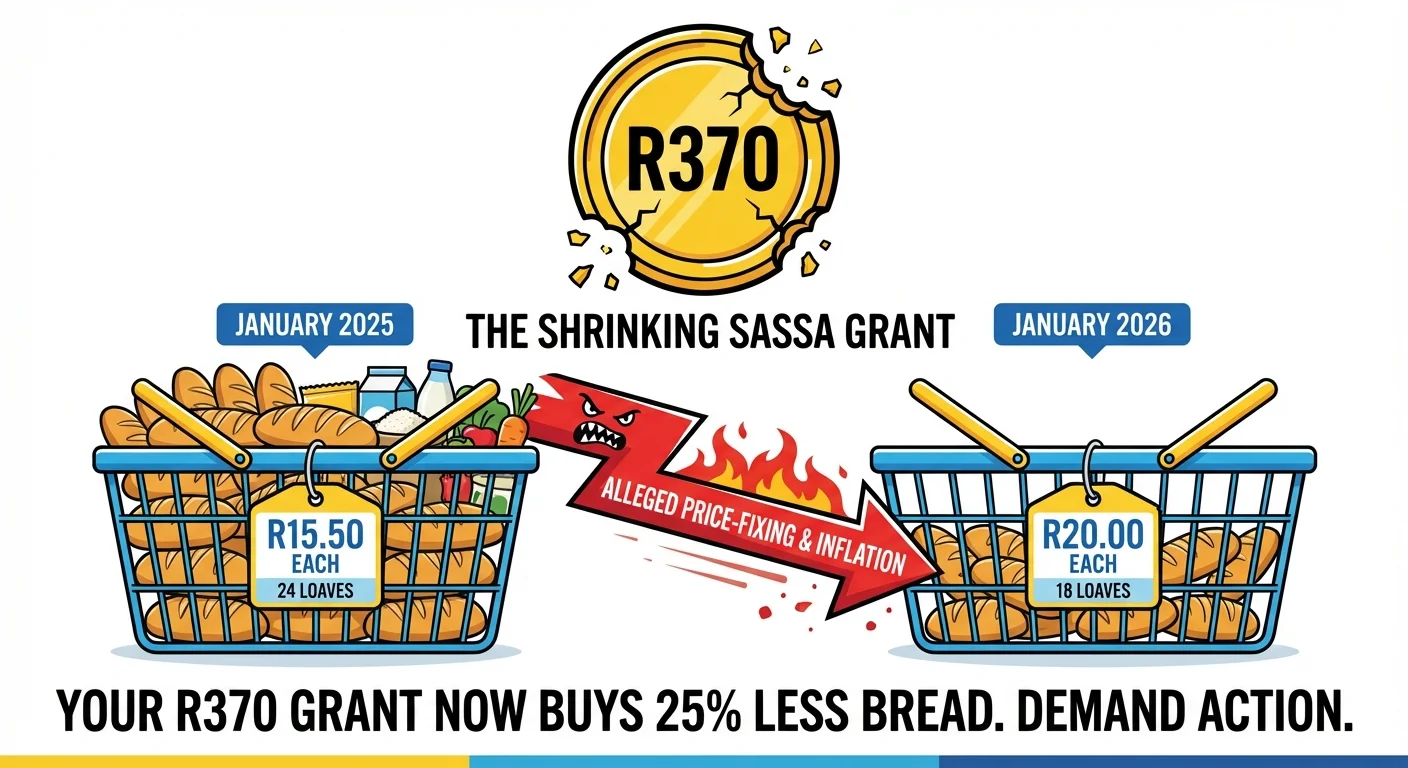
I sat down to do the math, and it’s depressing. The R370 Social Relief of Distress grant is a lifeline, but its value is being eaten away. Back in early 2025, that R370 could get you about 24 loaves of bread if you found them for R15.50. Now, in January 2026, with bread hitting R20, you’re down to 18 loaves. You lose six loaves of bread just like that.
That’s a lot of missed meals for a family. When maize meal goes up by even R5, it’s not just a statistic. It’s the choice between a full stomach and keeping the lights on. These aren’t just numbers on a spreadsheet. This is the reality when you get to the till. It feels like the poor are being taxed by corporations before they even get to leave the supermarket. Every cent of that SASSA money is precious, and I hate the idea that a chunk of it is being siphoned off to boost some CEO’s bonus.
Déjà Vu: Why This Feels Like the 2007 Bread Cartel All Over Again
If this feels like a bad movie you’ve seen before, you’re right. In 2007, Tiger Brands, Pioneer Foods, and Premier Foods got caught red-handed. They spent a decade fixing bread prices and hurting the people who could least afford it. They paid the fines, but I have to ask: did they actually learn anything? Or were those fines just the “cost of doing business”?
Seeing these same allegations pop up in 2026 is a slap in the face. It shows that we can’t just trust these companies to do the right thing. We’ve seen them cheat before, so why wouldn’t they do it again when everyone is already distracted by the economic crisis? This history matters because it shows this isn’t a conspiracy theory. It’s a crime that has happened before, and we have every right to be angry.
Corporate Greed or Economic Reality? Unpacking the Blame
Of course, the big retailers will blame fuel prices, load shedding, or the weak Rand. I get it. Those things are real and they do make food more expensive. But the Commission is looking for something more sinister. Are they using those excuses to hike prices way higher than they need to?
The target is what economists call a “captive market.” These are people who have no choice but to buy maize and bread to survive. They know billions of Rands flow into the economy every month through SASSA, and I suspect some executives see that as a guaranteed pile of cash to grab rather than a safety net for the vulnerable. If you’re worried about your own money, you should check your SRD R350 Status Check to make sure your payments are actually on track.
How to Fight Back: Stretch Your Grant and Demand Accountability
It’s easy to feel like you’re losing, but don’t give up. You have to be aggressive about how you spend your grant money. Here is what I would do:
- Forget Loyalty: Don’t shop at one place just because you always have. Check the pamphlets and WhatsApp groups. If the shop down the road is R2 cheaper for oil or maize, go there.
- Support Local: Spaza shops or small bakeries usually aren’t part of these big corporate schemes. Supporting them keeps money in your neighborhood and can sometimes save you a few Rand.
- Bulk Up with Neighbors: If you can, get a few people together to buy a huge bag of maize meal or a case of oil. It’s almost always cheaper than buying small amounts every week.
- Speak Up: If prices jump overnight for no reason, tell someone. Call the Competition Commission or the Consumer Commission. Your report could be the evidence they need.
- Use Your Voice: Use social media to call out the shops. They hate bad PR.
While you manage your budget, keep an eye on the SASSA Payment Dates so you can plan your shopping before the prices change again.
Frequently Asked Questions
What is price-fixing and why is it illegal?
Which companies are being investigated in January 2026?
How does this investigation affect my R370 SASSA grant?
Will SASSA increase the grant amount because of this food price crisis?
What happened in the 2007 bread price-fixing scandal?
How can I report suspected price-fixing in my area?
Read Next
SASSA's R10 'Khulisa Account': Your Guide to the New Low-Cost Bank Account for 2026
BREAKING March 2026: The South African Reserve Bank has mandated a new …
The R80 Chicken Apocalypse: How Avian Flu Will Steal Over R100 of Your R390 SASSA Grant in April 2026
BREAKING March 2026: A catastrophic Avian Flu outbreak is set to decimate South …
Comments & Discussions