
Table of Contents
Title: The R370 vs R3,500 Choice: Why SASSA Beneficiaries Are Ditching the Grant for EPWP Jobs in 2026
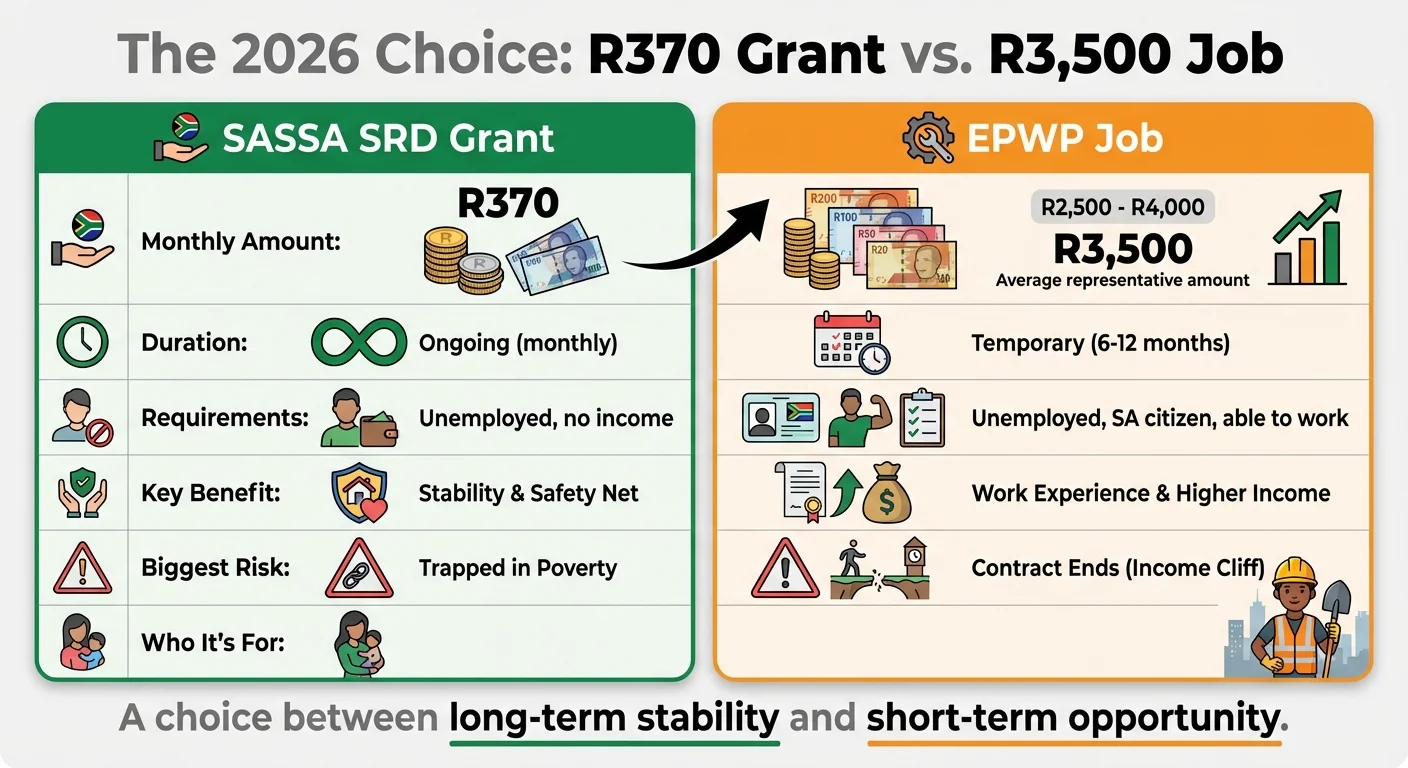
As we head into 2026, the SASSA R370 SRD grant is facing a massive challenger: the EPWP job. Many South Africans are now choosing a temporary R3,500 stipend over the small monthly grant, sparking a major debate about whether these work programs are a real solution to poverty.
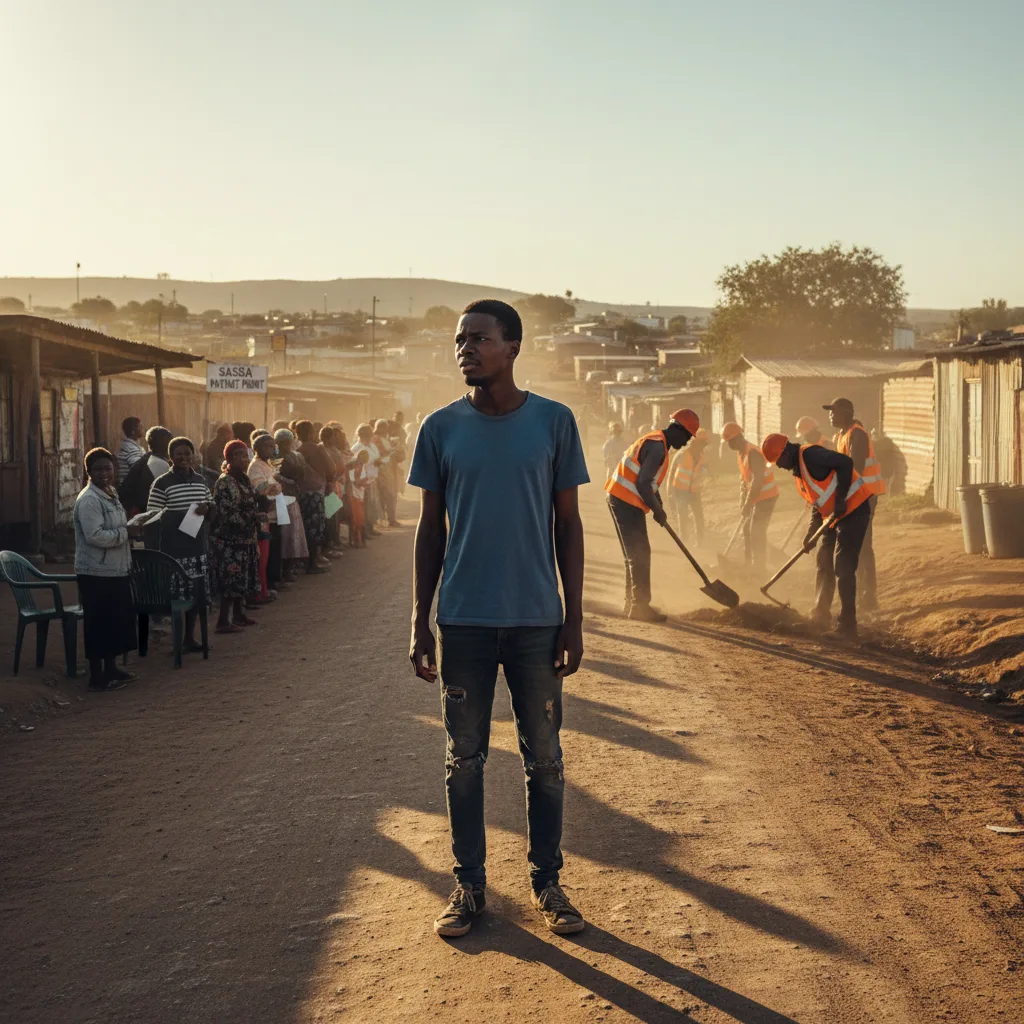
The Great Debate of ‘Janu-worry’ 2026: A R370 Handout or a R3,500 Hand-Up?
January 2026 is hitting hard, and for millions of South Africans, the struggle of “Janu-worry” is more than just a meme—it’s a daily crisis. I’ve noticed a massive shift in how people are talking about survival this year. The choice isn’t simple anymore. On one side, you have the R370 Social Relief of Distress (SRD) grant from SASSA. It’s consistent, but let’s be real: it’s barely enough to cover a week of groceries.
On the other side, the Expanded Public Works Programme (EPWP) is dangling a R3,500 stipend. It’s a temporary government job, but that money is ten times what the grant offers. I see a lot of young people in Gauteng and across the country making a move toward these contracts. They aren’t just looking for cash; they’re looking for a sense of purpose. It makes me wonder if our poverty strategy is finally shifting. Is a tiny, no-strings-attached grant enough, or should we be pouring everything into these work opportunities? For many, the R370 feels like a safety net made of thin string, while the EPWP feels like a ladder, even if some of the rungs are missing.
Breaking Down the Numbers: The Stark Reality of SRD vs. EPWP
We need to talk honestly about what these numbers actually buy you in 2026. The R370 SRD grant is a pittance. By the time you’ve paid for transport to go collect it or used data to check your status, that money is basically gone. It’s a survival tactic, not a way to live. It keeps people trapped in a loop where they can’t even afford the taxi fare to a job interview.
Now, look at the EPWP. Depending on where you live and what the municipality is paying, you could bring home R2,500 to R4,000. For someone used to surviving on R370, that’s life-changing. You can actually buy meat, pay off some debt, or help out the family. But there’s a catch that worries me. These contracts usually only last 6 to 12 months. When the contract ends, you’re back at zero. And because you were “employed,” SASSA cuts you off immediately. It’s a massive gamble: take the big check now and risk having nothing later, or stay on the tiny grant because it’s “safe.” If you’re trying to keep track of when the money actually lands, you should keep an eye on our Payment Dates page.
The Hidden Costs and Benefits: Beyond the Rand Value
There is more to this than just the balance in your bank account. I think we often ignore the mental toll of long-term unemployment. The EPWP gives you a reason to get up in the morning. You get a reference for your CV, you learn how to work in a team, and you build a network. That reference is worth its weight in gold when you’re trying to find a “real” permanent job later.
But I’m also worried about the “cliff effect.” The day that contract ends, your income doesn’t just dip—it vanishes. Getting back onto the SASSA system is a bureaucratic nightmare. You might wait months with no income at all while the system processes your new application. If you find yourself stuck in that loop and get a rejection, you’ll definitely need to look at our SASSA Appeals Guide. We also have to admit that the work is tough. We’re talking about cleaning streets or fixing roads in the sun for months on end with very few worker protections. It’s not an easy road.
Government’s Dilemma: Is EPWP the Unofficial Exit Strategy for the SRD Grant?
I can’t help but feel that the government is using the EPWP as a quiet way to trim the grant budget. The National Treasury is clearly stressed about how much a permanent basic income grant would cost. By moving people into these work programs, they can lower the number of grant beneficiaries and claim they are “creating jobs” at the same time.
To me, this feels like putting a plaster on a much deeper wound. The real problem is that our economy isn’t growing fast enough to create permanent jobs. Moving people between a grant and a temporary contract isn’t a long-term fix; it’s just shuffling the deck chairs. We’re forcing the most vulnerable people in South Africa to choose between two imperfect systems while the private sector stays stagnant.
Making the Right Choice for You in 2026: A Practical Guide
There’s no “correct” answer here. It all depends on what your life looks like right now. Here is how I would weigh it up:
Stick with the R370 SRD Grant if:
- You are looking after kids or elderly parents and can’t commit to a 40-hour work week.
- You live somewhere so remote that the transport costs to an EPWP site would eat your whole stipend.
- You’ve got a small side-hustle going that brings in a bit of cash but keeps you eligible for the grant.
- You simply can’t afford the risk of being left with zero income when a contract ends.
Go for the EPWP Job if:
- You are young and your CV is currently blank. You need that experience.
- You have a plan to save at least 20% of that stipend every month to carry you through the “gap” after the contract ends.
- You’re physically healthy and ready for manual labor.
- You want to use the job to meet people who might help you find permanent work.
Before you jump ship, make sure your current status is solid. You can use our SRD R350 Status Check guide to make sure your info is correct. At the end of the day, the fact that people are “ditching” the grant for hard labor shows just how hungry South Africans are for real opportunities.
Frequently Asked Questions
Can I receive the R370 SRD grant while working for EPWP in 2026?
What happens when my EPWP contract ends? Do I automatically get my SASSA grant back?
How much does an EPWP job pay in 2026?
Is EPWP a permanent job?
How do I find and apply for EPWP jobs in my area?
Which is better for my future: staying on the grant or taking an EPWP job?
Read Next
SASSA's R10 'Khulisa Account': Your Guide to the New Low-Cost Bank Account for 2026
BREAKING March 2026: The South African Reserve Bank has mandated a new …
The R80 Chicken Apocalypse: How Avian Flu Will Steal Over R100 of Your R390 SASSA Grant in April 2026
BREAKING March 2026: A catastrophic Avian Flu outbreak is set to decimate South …
Comments & Discussions